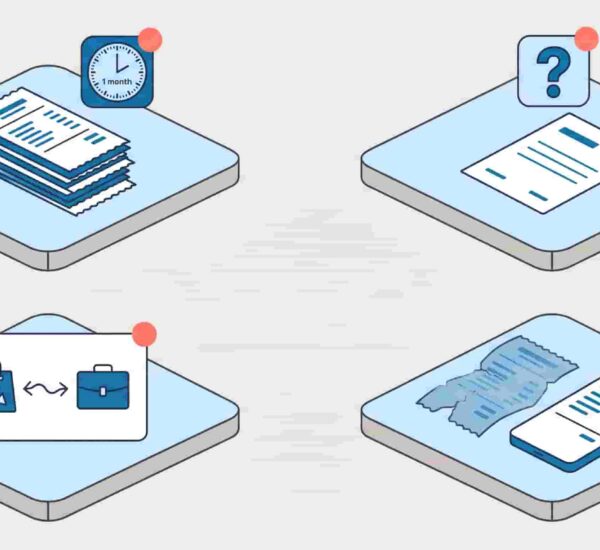
Someone on your team just got back from a client trip and has no idea what’s reimbursable. They expense the flight, the hotel, a team dinner, two Ubers, and a bottle of wine they’re hoping you won’t notice. Your finance person has to make a judgment call on each item with no written guidelines to point to. This happens every time, and it will keep happening until you write it down. A travel expense policy template gives everyone — the traveller, the manager, and the finance team — the same set of rules to work from. Here’s one you can use today.
What is a travel expense policy template?
A travel expense policy template is a customisable document that sets out the rules for what employees can spend on business-related expenses, what’s reimbursable, how much, and how to submit claims. A good template covers travel, accommodation, meals, ground transport, and remote work stipends like cell phone and internet. It eliminates ambiguity, reduces disputes, and gives your finance team a consistent framework to approve expenses against — without having to make it up every month.
Why your team needs a written expense policy before the next trip
Most small teams operate on an unspoken understanding of what’s reasonable. That works until it doesn’t — until someone expenses a business class upgrade, or a team dinner runs to £800, or a contractor submits three months of home internet costs at once. The typical company loses at least 5% of its annual revenue to fraud, and expense reimbursement fraud is often unintentional — employees simply don’t know where the line is.
A written expense reimbursement policy template fixes this before it becomes a problem. It’s not about distrust — it’s about clarity. When the rules are written down, employees make better spending decisions on the road, managers approve expenses faster, and your finance team closes the month without chasing anyone for context.
Business travel spending hit a record of more than $1.5 trillion in 2024, according to the World Travel and Tourism Council. With that kind of money moving through organisations globally, a clear travel and expense policy isn’t optional — it’s essential.
What a travel expense policy template should cover
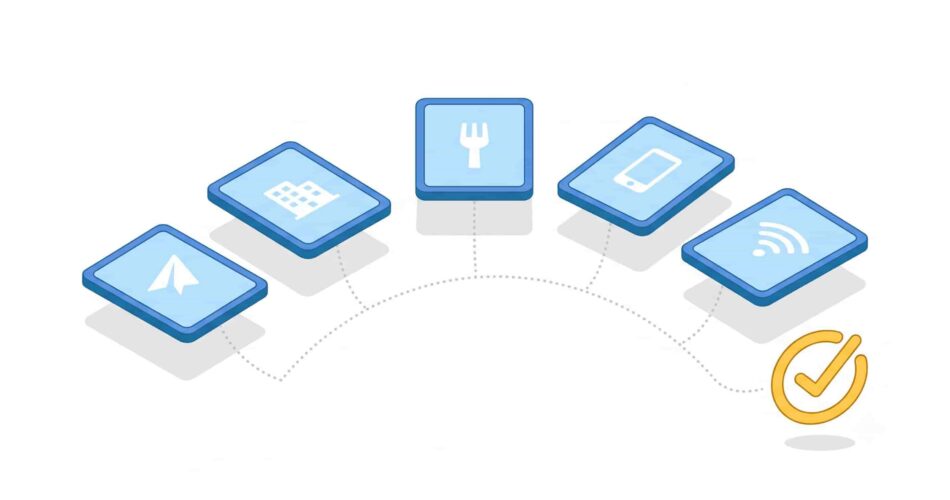
A thorough travel expense policy template outlines instructions on how, where, and when to book travel; approved expense management tools; preferred suppliers; a clear list of reimbursable and non-reimbursable expenses; maximum allowable amounts per category; and step-by-step instructions for submitting expense claims, including required documentation.
For small teams, the most important sections are:
Reimbursable expenses
Be specific. Vague policies create more questions than they answer. Cover each category clearly:
Travel and transport — economy airfare for all domestic trips; business class only for flights over six hours or with prior approval. Trains, taxis, and ride-shares to and from airports and client meetings. Mileage reimbursement for personal vehicles at the current IRS standard mileage rate (or HMRC rate for UK teams).
Accommodation — reasonable hotel costs up to a defined nightly limit, which should vary by city. A $150/night cap in rural Ohio is fair; the same cap in San Francisco or London isn’t. Set city-specific rates or use a percentage of GSA per diem rates as a benchmark.
Meals — a per diem rate is the cleanest approach. Companies use a fixed daily meal allowance and don’t require receipts for expenses within that limit — this significantly reduces admin. Alcohol is typically non-reimbursable unless part of a pre-approved client entertainment budget.
Ground transport — taxis, Uber, and public transport for business purposes. Commuting costs are never reimbursable.
Incidentals — parking, tolls, business calls, and work-related internet charges during travel are typically covered. Personal items, in-flight entertainment, and room service movies are not.
Non-reimbursable expenses
Being explicit about what you won’t cover is just as important as listing what you will. Personal items, family-related costs, travel upgrades unless justified, fines, and personal entertainment are standard non-reimbursable categories. Put these in writing so there’s no ambiguity and no awkward conversations after the fact.
Remote work stipends
For distributed teams, a business expense reimbursement policy template also needs to cover day-to-day remote work costs — not just travel. These are the categories that trip up most small teams:
Cell phone reimbursement — either a fixed monthly stipend (typically $30–$75/month depending on role) or reimbursement of business-use percentage of the actual bill. A cell phone reimbursement policy template should specify which applies, who’s eligible, and whether personal devices are covered or only company-issued phones.
Internet reimbursement — a home office internet reimbursement policy typically covers a fixed monthly amount ($30–$60) for fully remote employees. Hybrid employees may receive a partial stipend. Specify whether this requires receipts or is a flat allowance.
Home office stipend — a one-time setup allowance for remote employees (desk, chair, monitor) is increasingly standard. A home office stipend policy template should cover the total cap, what’s eligible, and whether items are company property or the employee’s to keep.
Meal allowance — for teams with regular client meals or in-office catering, a meal allowance policy template should specify per-person caps for team lunches, client dinners, and working meals.
Free travel expense policy template (copy and customise)
This is a ready-to-use business expense policy template. Replace the bracketed fields with your own figures and add or remove sections to fit your team.
[Company Name] Expense Reimbursement Policy Effective date: [Date] | Last reviewed: [Date] | Approved by: [Name, Title]
Purpose This policy sets out the rules for submitting, approving, and reimbursing business expenses at [Company Name]. It applies to all employees, contractors, and anyone incurring expenses on behalf of the company.
Pre-approval All business travel must be approved in writing by the employee’s direct manager at least [5] business days before booking. Expense reports must be submitted within [14] days of the expense date. Late submissions may be declined.
Reimbursable expenses
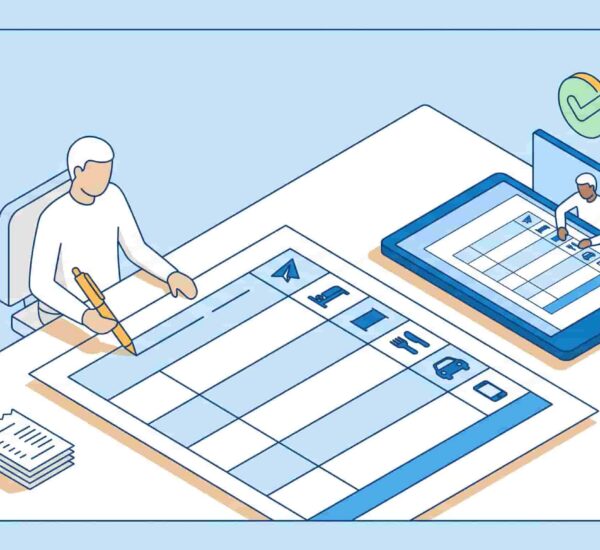
| Category | Limit | Notes |
| Airfare | Economy class only | Business class requires VP approval |
| Hotel | Up to $[150]/night | Higher limits for [NYC, London, SF — list cities] |
| Meals (per diem) | $[75]/day | No receipts required within limit |
| Client meals | Up to $[60]/person | Receipt + attendee list required |
| Ground transport | Actual cost | Taxis, Uber, public transport to/from meetings |
| Mileage | $[0.70]/mile | Current IRS rate; log required |
| Parking | Actual cost | Receipt required |
| Cell phone stipend | $[50]/month | Remote employees only |
| Internet stipend | $[40]/month | Fully remote employees only |
| Home office setup | Up to $[500] one-time | Pre-approval required; receipt required |
| Incidentals | $[20]/day | Parking, tolls, business calls |
Non-reimbursable expenses Personal entertainment, alcohol (unless pre-approved client entertainment), flight upgrades, fines and penalties, personal travel extensions, family-related costs, gym or spa charges, in-room movies.
Documentation required Receipts are required for all expenses over $[25]. Receipts must show vendor name, date, and total amount. Meal receipts must include the names of attendees and business purpose.
Submission process All expenses must be submitted via [ExpenseTron in Slack / your expense tool]. Paper submissions are not accepted. Approved expenses will be reimbursed within [5] business days of approval.
Approval tiers Expenses under $[500]: direct manager approval. Expenses $[500]–$[2,000]: department head approval. Expenses over $[2,000]: finance director approval.
Policy violations Non-compliant expenses may be delayed, reduced, or denied. Repeated policy violations may result in formal disciplinary action.
This policy is reviewed annually. Questions? Contact us

How to turn this template into an actual workflow
A written policy is only half the job. The other half is making sure expenses actually get submitted, approved, and reimbursed according to the policy — without your finance team manually chasing every receipt at month-end.
The submission process in your staff expenses policy template should define one channel for all expense submissions. A policy only works if you enforce it consistently — require manager sign-off before travel is booked and again after an expense report is submitted, and where possible automate the routing of approvals to ensure no step is missed and to create a clear audit trail.
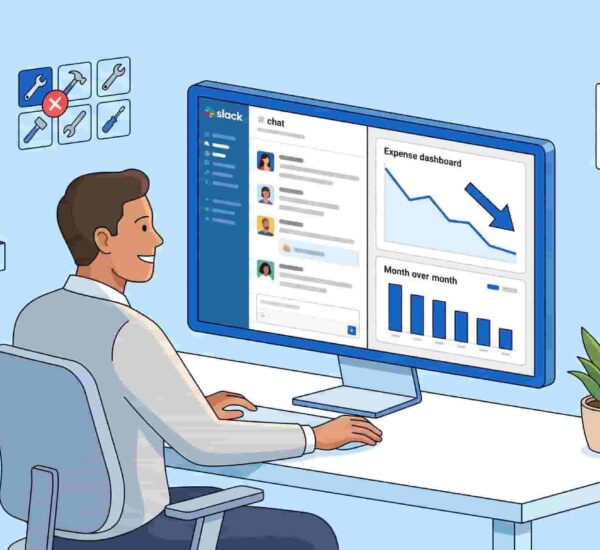
For Slack-first teams, ExpenseTron makes this the path of least resistance. Employees submit expenses directly in Slack — receipt photo, amount, category, note — in under a minute. ExpenseTron routes the submission to the right approver automatically based on the tiers in your policy. The manager approves in one click without leaving Slack. Approved expenses sync to QuickBooks Online or Xero automatically. The employee gets a reimbursement confirmation in Slack.
The policy sets the rules. ExpenseTron makes sure they’re actually followed — without anyone having to remember to forward an email or log into a separate dashboard.
You can also check our post on how to approve expenses in Slack for a step-by-step setup guide, and our post on why employees delay expense reports if submission rates are already a problem on your team.

Common mistakes to avoid in your expense policy
Being too vague on limits. “Reasonable hotel costs” means different things to different people. Set specific nightly caps, even if you need city-specific tiers.
Forgetting remote work stipends. A travel expense policy template that ignores cell phone, internet, and home office costs isn’t complete for a distributed team. Add these sections even if the amounts are modest.
Not specifying the submission tool. Your policy should name the approved expense management platform employees are expected to use — not leave it open-ended. If submissions can happen over email, Slack DM, or a dedicated tool, they will — and you lose the audit trail.
Setting and forgetting. Regularly review the travel policy to ensure it aligns with current business needs and market changes, and gather feedback from employees to identify any pain points. A policy written in 2022 may not reflect your current team structure, remote work setup, or cost environment.
No consequences for non-compliance. State clearly what happens when the policy isn’t followed. This isn’t about being punitive — it’s about giving managers something to point to when they need to decline a non-compliant claim.

Frequently Asked Questions
What should a travel expense policy template include?
A complete travel expense policy template should cover reimbursable and non-reimbursable expenses, per diem rates for meals, accommodation limits by city, transport rules (airfare class, mileage rates), submission deadlines and documentation requirements, approval tiers by expense amount, remote work stipends (cell phone, internet, home office), and consequences for non-compliance. The more specific the limits, the fewer disputes you’ll have.
How do I write a business expense reimbursement policy for a small team?
Start with the categories your team actually spends on — travel, meals, transport, and for remote teams, cell phone and internet stipends. Set specific limits for each rather than vague guidance. Define one submission channel, a clear approval chain, and a reimbursement timeline. Keep the language plain and avoid jargon. The easier a policy is to understand, the easier it is for employees to follow. Review it annually or whenever your team structure changes significantly.
What is a reasonable meal allowance for a business travel policy?
Most companies set a per diem meal allowance between $50–$100 per day depending on the city. The US General Services Administration (GSA) publishes standard per diem rates by location that many small businesses use as a benchmark. For client entertainment, a separate per-person cap (typically $50–$75) is more appropriate than a daily allowance.
Do I need separate policy templates for cell phone, internet, and home office reimbursements?
Not necessarily — you can fold cell phone reimbursement, internet reimbursement, and home office stipend sections into a single employee expense reimbursement policy template. Keeping it in one document makes it easier for employees to find the answer to any expense question in one place. If your remote work stipends are complex (different tiers by role or location), a separate remote work expense policy addendum may be cleaner.
How long do employees have to submit expense reports?
The standard window in most expense reimbursement policy templates is 30 days from the date of the expense. For small teams, 14 days is more practical — it keeps expense data current, reduces the chance of lost receipts, and makes month-end reconciliation much faster. Whatever you choose, state it explicitly in the policy and hold the line on it consistently.
What’s the difference between a per diem and an expense reimbursement?
A per diem is a fixed daily allowance paid regardless of actual spending — employees keep whatever they don’t spend. An expense reimbursement pays back the actual amount spent, with receipts required. Per diems are simpler to administer and reduce receipt-chasing. Actual reimbursement is more accurate but creates more admin. Most small teams use per diems for meals and actual reimbursement for transport and accommodation.
How do I enforce an expense policy without micromanaging?
The key is building enforcement into the submission process rather than relying on manual review. Automate the routing of approvals to ensure no step is missed and to create a clear audit trail. When every expense is submitted through one tool, routed to the right approver automatically, and logged with a timestamp, enforcement happens by default — not by chasing. Tools like ExpenseTron handle this natively inside Slack.
Should my expense policy cover contractors as well as employees?
Yes — and it should say so explicitly. If contractors are incurring expenses on your behalf, they need the same guidelines as employees. The main difference is tax treatment: contractor reimbursements may need to be handled differently depending on the jurisdiction. Check with your accountant on the right approach for your setup, especially for international contractors. For further reading on managing expenses across international teams, see our post on how remote teams handle business expenses across different countries.
A travel expense policy template is only useful if people actually follow it — and people follow it when it’s easy to find, easy to understand, and connected to a submission process that doesn’t add friction to their day. Copy the template above, fill in the brackets, add it to your employee handbook, and then make sure your expense submission workflow enforces it automatically.
For teams on Slack, that last part is where ExpenseTron comes in. The policy sets the rules — ExpenseTron makes sure the right person sees every expense, approves it against your policy, and syncs it to your books without anyone chasing a receipt. You can also compare how it stacks up against other tools in this Slack expense management comparison.