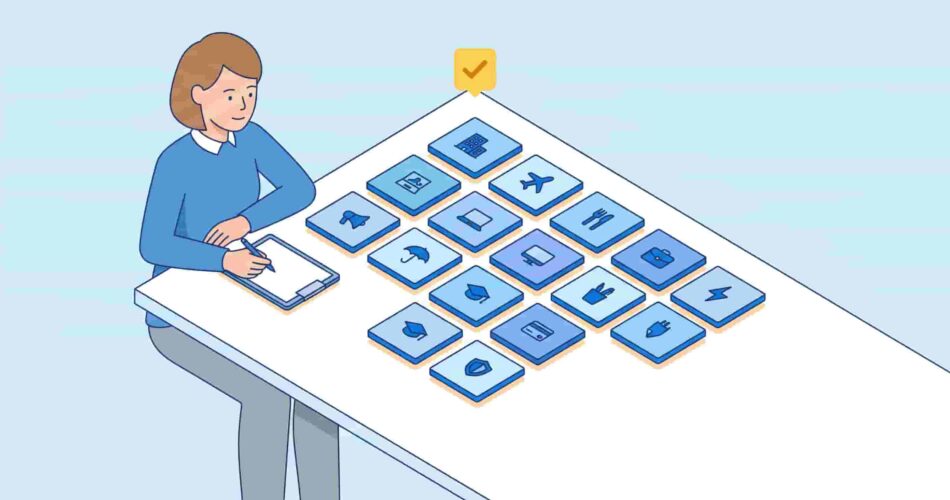
Getting your business expense categories right does two things at once: it keeps your books clean and it makes sure you’re not leaving deductions on the table at tax time. Most small teams either lump everything into “miscellaneous” or over-split into 40 categories nobody can maintain. Neither works. Here’s the complete list of business expense categories that actually matter – what belongs in each one, what’s deductible, and how to track them without a month-end spreadsheet nightmare.
What are the main business expense categories?
Business expense categories are the standard groupings used to classify company spending — both for internal bookkeeping and for tax reporting. The main categories for small businesses include payroll, rent and facilities, travel and transport, meals and entertainment, software and subscriptions, marketing and advertising, professional services, equipment and depreciation, insurance, and miscellaneous operating expenses. To be tax-deductible, the IRS requires each expense to be both ordinary (common in your industry) and necessary (helpful for running your business) under IRC §162.

The standard business expense categories list
1. Payroll and employee costs
The largest expense line for most businesses. This covers salaries, wages, bonuses, contractor payments, and employer-side payroll taxes. Employee benefits — health insurance, retirement contributions, commuter benefits — belong here too. Contractor payments over $2,000 in 2026 require a 1099-NEC filing; the threshold was $600 for 2025 payments, so check which year you’re filing for.
2. Rent and facilities
Office rent, co-working memberships, storage units, and any space your business pays for. If you work from home, the home office deduction covers the business-use percentage of your mortgage or rent, utilities, and insurance — but only if the space is used regularly and exclusively for business. This is one of the most commonly missed expense categories for small business owners and self-employed individuals.
3. Travel and transport
Business travel expenses including flights, hotels, rental cars, and meals during trips are deductible. Ground transport — taxis, Uber, public transit — for client meetings and business purposes qualifies too. The 2025 IRS standard mileage rate for business vehicle use is $0.70 per mile. Commuting between home and a regular workplace is never deductible, regardless of distance. Keep a mileage log — it’s the first thing auditors ask for.
4. Meals and entertainment
Business meals are 50% deductible; entertainment is 0% deductible. That means a client dinner is half-deductible, but tickets to a game or a concert are not deductible at all — even if the conversation was business-related. Meals provided to employees for the employer’s convenience also drop to 0% deductible starting in 2026 under IRC §274(o). Always note the business purpose and attendees on the receipt.
5. Software and subscriptions
One of the fastest-growing expense categories for modern businesses. A graphic designer buying Adobe Creative Cloud or a consultant paying for Zoom qualifies as an ordinary and necessary expense fully deductible in the year purchased. This category covers project management tools, accounting software, communication platforms, design tools, CRM subscriptions, and any recurring SaaS cost with a business purpose. Assign an owner to every subscription – unclaimed tools are a hidden cost in most small teams.
6. Marketing and advertising
Online ads, billboards, and promotional materials are fully deductible as marketing expenses. This includes paid social, Google Ads, SEO tools, email marketing platforms, business cards, branded merchandise, and website costs. Agency fees and freelance designer or copywriter costs go here too, not under professional services — the distinction matters for bookkeeping categories in small business accounting.
7. Professional services
Legal fees, accounting and bookkeeping fees, consulting fees, and HR or recruitment services. The IRS allows deductions for legal and professional services directly related to running your business. Personal legal matters — a dispute unrelated to the business — are not deductible even if they involve the same lawyer you use for business work.
8. Equipment and depreciation
Computers, monitors, desks, machinery, cameras, and any asset with a useful life of more than one year. Rather than deducting the full cost in year one, these are typically depreciated over time — though Section 179 allows small businesses to deduct the full cost of qualifying equipment in the year of purchase, up to the annual limit. Check IRS Publication 946 for current Section 179 limits and eligible assets.
9. Insurance
Business liability insurance, professional indemnity, property insurance, and key person insurance are all deductible business expenses. Health insurance premiums for employees fall under employee benefit programs, while other business insurance premiums are deductible as a separate category. Mixed-use policies — where the same policy covers personal and business use — are only deductible for the business-use portion.
10. Office supplies and expenses
Paper, printer ink, postage, stationery, and day-to-day consumables. This is a separate IRS category from equipment — supplies are fully deductible in the year they’re purchased, no depreciation required. Small items that don’t quite fit anywhere else often land here. Keep this category tight — it’s easy to let it become a catch-all for uncategorised spending.
11. Utilities
Electricity, internet, water, and phone costs for your business premises are fully deductible. For home-based businesses, only the business-use percentage of utilities is deductible under the home office rules. If you work from home, a portion of these utilities may qualify as business expenses.
12. Education and training
Courses, workshops, certifications, and conferences that maintain or improve skills required in your current business are deductible. Educational expenses that aim to improve employees’ job skills and experience are deductible, provided the employee is working in the field of study. Education to qualify for a new career — even a related one — is not deductible under IRS rules.
13. Bank fees and interest
Business loan interest, credit card fees, merchant processing fees, and bank account charges are all deductible as ordinary business expenses. Personal credit card interest is not deductible, even if you used the card for a business purchase. Keep business and personal accounts strictly separate — it’s the simplest way to protect this category at tax time.
14. Miscellaneous business expenses
Other deductible expenses include bank fees, donations to business organisations, education expenses, licenses and regulatory fees, and penalties for late performance of a contract. On Schedule C, anything that doesn’t fit a named category goes in Other Expenses (line 27b), itemised in Part V. Don’t use miscellaneous as a default — it raises flags with bookkeepers and auditors alike. If an expense recurs, it deserves its own category.

How to categorise business expenses properly
The most common mistake in categorising business expenses is inconsistency — the same type of expense going into different categories depending on who submitted it or what month it was. That makes reporting unreliable and reconciliation slow.
Three rules that fix this immediately:
One category, one definition. Write down what belongs in each category and share it with everyone who submits expenses. A one-page reference list is enough.
Separate personal and business spending completely. Mixed accounts create categorisation nightmares. A dedicated business card or account — even a basic one — makes every expense easier to categorise and defend.
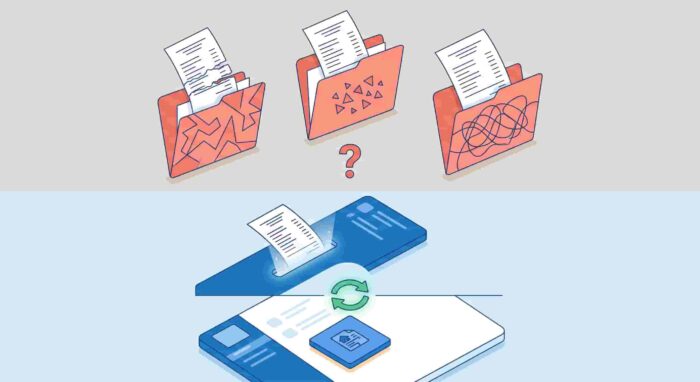
Categorise at submission, not at month-end. When employees categorise expenses at the point of filing, the data is accurate. When finance has to guess the category three weeks later from a vague description, it isn’t.
For teams on Slack or Microsoft Teams, ExpenseTron captures the category at submission — employees pick from your approved list when they file the expense in Slack or Teams, and it syncs categorised data directly to QuickBooks or Xero. No re-entry, no guessing, no month-end cleanup.
For a full expense policy framework that maps to these categories, our travel expense policy template covers approved spending limits per category. And if you need a structured form for collecting this data manually, our free expense report template maps directly to these categories.
Frequently Asked Questions
What are the most common business expense categories?
The most common business expense categories for small teams are payroll and contractor costs, rent and facilities, software and subscriptions, travel and transport, meals (50% deductible), marketing and advertising, professional services, equipment, insurance, and office supplies. For self-employed individuals and freelancers, the most frequently used expense categories are home office, vehicle mileage, software subscriptions, education, and professional services.
How do I categorise business expenses for taxes?
To categorise business expenses for taxes, each expense must be both ordinary (common in your industry) and necessary (helpful for your business) under IRS rules. Use the Schedule C expense categories as your framework — they map directly to what the IRS expects. Keep receipts for everything, note the business purpose for meals and travel, and separate personal and business spending completely. Consult IRS Publication 334 for the full small business tax guide.
What business expenses are 100% deductible vs partially deductible?
Fully deductible expenses include office supplies, employee wages, rent, and inventory. Partially deductible expenses include business meals at 50%, client gifts limited to $25 per recipient per year, and travel expenses at the standard mileage rate of $0.70 per mile. Entertainment expenses – concerts, sporting events — are 0% deductible as of current IRS rules, even when business is discussed.
How should small businesses track expense categories?
The most reliable way to track business expense categories is to categorise each expense at the point of submission — not at month-end. Use accounting software like QuickBooks or Xero to maintain consistent categories across your books. For teams on Slack or Teams, ExpenseTron lets employees pick the category when they file the expense inside Slack — the categorised data syncs to your accounting software automatically, with no manual re-entry.
Getting your business expense categories right from the start saves hours of bookkeeping cleanup and makes tax filing significantly less painful. Use the list above as your reference, align it with a written expense policy, and make sure everyone on your team categorises at submission rather than leaving it to finance to decode at month-end. For teams on Slack or Teams, ExpenseTron keeps the whole process inside the tools your team already uses — categorised, approved, and synced to your books automatically.